
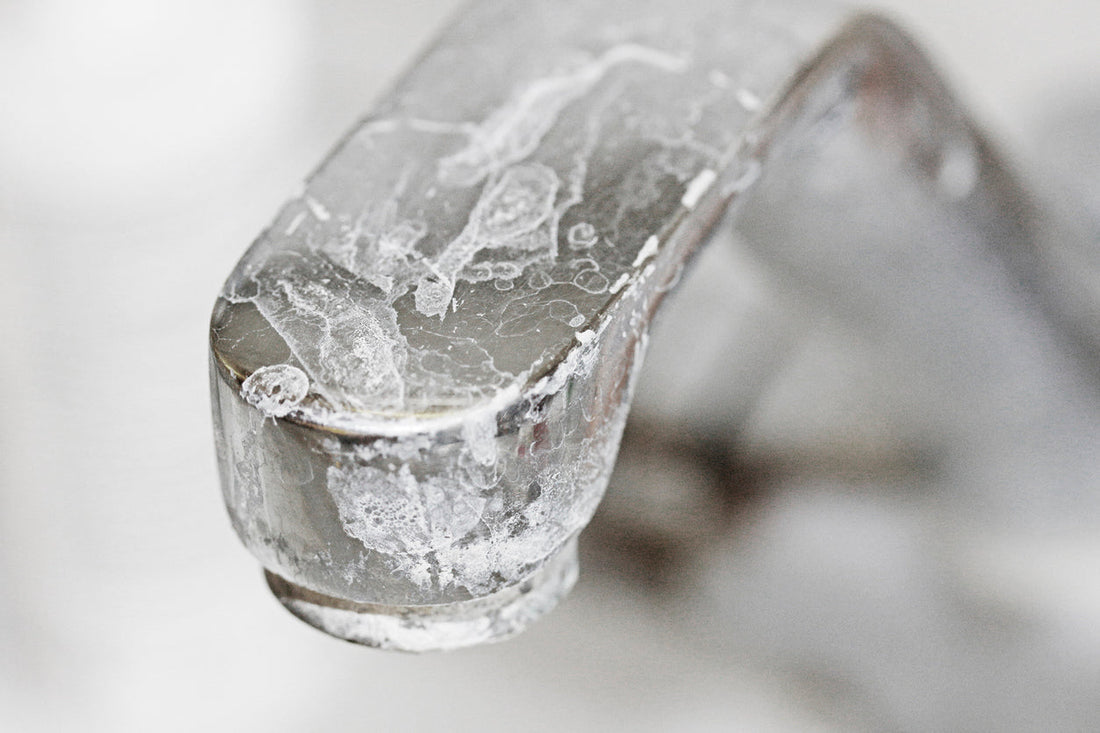
Quick Answer: Remove calcium buildup from your faucet by soaking the affected area in white vinegar or a citric acid solution for 30 minutes to an hour, then scrubbing with a soft cloth and rinsing with warm water. For stubborn mineral deposits, fill a plastic bag with the solution, secure it over the faucet head with a rubber band, and let it soak.
That white, chalky deposit creeping around your kitchen faucet isn't just an eyesore. Calcium buildup is a common problem in homes with hard water, and left unchecked, it can reduce water flow, damage plumbing fixtures, and make even a new faucet look years older than it is. Most calcium deposits respond well to household items you probably already have in your pantry. The key is knowing which method works best for your situation and how to apply it without damaging your fixtures.
This guide walks you through what causes mineral buildup, compares the most effective removal methods, and shares prevention tips to keep your fixtures looking clean longer.
What Causes Calcium Buildup on Faucets?
Before you start scrubbing, it helps to understand what you're dealing with. That stubborn white residue has a specific chemistry behind it, and knowing the cause points you toward the best solution.
The Hard Water Connection
Calcium buildup comes from hard water, which contains dissolved minerals picked up as water moves through rock and soil before reaching your water supply. The two main culprits are calcium carbonate and calcium bicarbonate, though magnesium and other calcium salts often tag along for the ride.
When tap water evaporates from your faucet, these minerals get left behind. Over time, layer builds on layer until you're looking at a thick, chalky deposit that seems welded to the metal.
How Hard Is Your Water?
Water hardness varies significantly by region. The Water Quality Association (WQA) classifies water hardness based on the concentration of dissolved calcium and magnesium, measured in grains per gallon (GPG) or milligrams per liter (mg/L):
|
Classification |
Grains Per Gallon (GPG) |
Milligrams Per Liter (mg/L) |
|
Soft |
< 1 |
< 17.1 |
|
Slightly Hard |
1–3.5 |
17.1–60 |
|
Moderately Hard |
3.5–7 |
60–120 |
|
Hard |
7–10.5 |
120–180 |
|
Very Hard |
> 10.5 |
> 180 |
If you're constantly battling hard water stains on your plumbing fixtures, your water likely falls into the hard or very hard category. A simple home test kit can confirm your water hardness level.
Signs You Have Calcium Buildup
Calcium and mineral deposits announce themselves in several ways:
- White or off-white crusty residue around the faucet base and spout
- Reduced water pressure or uneven water flow from the faucet head
- Spots and film on the faucet aerator screen
- Limescale buildup inside your water heater (higher energy bills can be a clue)
- Hard water stains that reappear shortly after cleaning
Catching these signs early makes removal easier. The longer mineral buildup sits, the harder it bonds to surfaces.
Best Methods to Remove Calcium Deposits
Several approaches work well for dissolving calcium buildup. The right choice depends on how severe the deposits are and what materials your fixtures are made from.

White Vinegar: The Pantry Powerhouse
Household vinegar is mildly acidic, which makes it effective at breaking down calcium carbonate without damaging most faucet finishes. It's also inexpensive, non-toxic, and probably sitting in your kitchen right now.
- Best for: Light to moderate buildup on chrome, stainless steel, and most standard finishes.
- How to use: Soak a paper towel or cloth in white vinegar and wrap it around the affected area. For faucet heads and aerators, fill a plastic bag with vinegar, submerge the fixture, and secure it with a rubber band. Let it sit for 30 minutes to several hours, depending on buildup severity.
Lemon Juice and Citric Acid
Lemon juice contains citric acid, another natural acid that dissolves mineral deposits effectively. Commercial citric acid powder offers a stronger concentration for tougher jobs.
- Best for: Moderate buildup and situations where you want a fresh scent instead of the vinegar smell.
- How to use: Apply fresh lemon juice directly or mix citric acid powder with warm water to create a paste. Apply to the buildup, let it sit for 15-30 minutes, then scrub and rinse.
Commercial Cleaner Options
Store-bought calcium and limescale removers contain stronger acids that work faster on stubborn mineral deposits.
- Best for: Heavy limescale buildup that hasn't responded to natural methods.
- How to use: Apply to the affected area and let it soak for 5–15 minutes, then scrub and rinse. Check product compatibility with your faucet's finish and ensure good ventilation.
- Caution: Always check that the product is safe for your faucet's finish. Some commercial cleaners can damage brass, nickel, or specialty finishes. Follow label instructions carefully and ensure good ventilation.
Muriatic Acid
Muriatic acid is a highly corrosive acid sometimes mentioned as a heavy-duty option for extreme calcium buildup. While effective, it can damage fixtures, harm skin, and release dangerous fumes.
- Best for: Outdoor concrete or pool applications where its strength is actually needed.
- How to use: Dilute according to manufacturer directions and apply with protective gloves and eyewear. Not recommended for household faucet cleaning.
- Caution: Not recommended for household faucet cleaning. Stick with gentler options for plumbing fixtures.
Method Comparison
|
Method |
Strength |
Best For |
Safety |
|
White Vinegar |
Mild |
Light-moderate buildup |
Very safe |
|
Lemon Juice/Citric Acid |
Mild-Moderate |
Moderate buildup |
Very safe |
|
Commercial Cleaner |
Strong |
Heavy buildup |
Use with caution |
|
Muriatic Acid |
Very Strong |
Not recommended for faucets |
Hazardous |
Step-by-Step: Removing Calcium Buildup from Your Faucet
Here's the complete cleaning process for tackling calcium deposits on your kitchen faucet, bathroom fixtures, or shower head.
What You'll Need

The Cleaning Process
-
Remove and soak the faucet aerator. Unscrew the aerator and drop it into a small bowl of white vinegar. This screen piece collects the worst mineral buildup and restricts water flow.
-
Apply your cleaning solution. Fill a spray bottle with undiluted white vinegar or mix two tablespoons of citric acid powder per cup of warm water. Spray generously on all visible calcium deposits. For vertical surfaces, soak a paper towel in the solution and press it against the buildup.
-
Soak the faucet head. Fill a plastic bag with enough vinegar to submerge the faucet spout and secure it with a rubber band. Let it soak for at least 30 minutes. For heavy buildup, leave it for two to three hours or overnight.
-
Scrub and rinse. Remove the bag and use a soft cloth or old toothbrush to scrub away the dissolved calcium. Flush the faucet with warm water to remove all traces of vinegar and loosened mineral particles.
- Dry and reassemble. Wipe everything dry with a clean soft cloth to prevent new water spots. Screw the aerator back into place and test that water pressure and flow have improved.
Tips for Shower Heads
The plastic bag method works perfectly for shower heads. Fill a bag with vinegar, pull it up over the shower head until the nozzles are submerged, and tie it in place. This hands-free approach lets the solution work while you handle other tasks.
Preventing Future Calcium Buildup
Removing existing deposits is only half the battle. A few simple habits can slow down mineral buildup and keep your plumbing fixtures looking better between deep cleanings.
Routine Maintenance
- Wipe fixtures dry after use. Water can't leave mineral deposits behind if it doesn't sit on the surface. A quick wipe with a soft cloth after washing dishes or brushing teeth stops most buildup before it starts.
- Spray vinegar weekly. Keep a spray bottle of diluted vinegar (equal parts vinegar and water) under the sink. One quick spray and wipe each week keeps minerals from accumulating between deep cleans.
- Rinse aerators monthly. Unscrew your faucet aerators and rinse them under running water once a month. It takes 30 seconds and goes a long way toward maintaining steady water pressure.
- Protect the finish with Ballistol. After cleaning, apply a light wipe of Ballistol Multi-Purpose Oil to your faucet with a soft cloth. The thin protective layer helps repel water and makes future mineral deposits easier to wipe away. It's biodegradable and skin-safe, so it's well suited for fixtures you touch daily.
- Long-Term Solution: Water Softeners
If your water hardness is high and you're tired of constant battles with mineral deposits, a water softener addresses the problem at its source. These systems remove calcium and magnesium from your water supply before it reaches your plumbing fixtures, water heater, and appliances.
Water softeners require an upfront investment and ongoing salt purchases, but they dramatically reduce limescale buildup throughout your entire plumbing system. For homes with very hard water, the reduction in cleaning time and extended appliance life often justifies the cost.

Keep Your Fixtures Clean and Protected
Calcium buildup is a fact of life in hard water areas, but it doesn't have to take over your faucets. Regular cleaning with white vinegar or citric acid handles most mineral deposits, while routine maintenance prevents heavy accumulation. For stubborn buildup, a commercial cleaner can provide extra muscle without resorting to harsh chemicals that risk damaging your fixtures.
Once your faucets are clean, consider protecting the metal surfaces to make future cleaning easier. Ballistol Multi-Purpose Oil works on a wide range of metals, leaving a thin protective layer that helps repel water and grime. It's particularly useful for fixtures with mixed materials, like faucets with decorative metal accents or vintage hardware where calcium loves to hide in crevices.
Ballistol is biodegradable and skin-safe, so you're not trading one problem for another when you apply it around sinks and faucets your family uses daily. A light wipe after cleaning adds protection without buildup or residue.
Ready to tackle calcium deposits and keep your fixtures looking their best? Explore Ballistol Multi-Purpose Oil and see why one bottle handles jobs that used to require a whole cabinet of products.