Unlock Peak Performance.

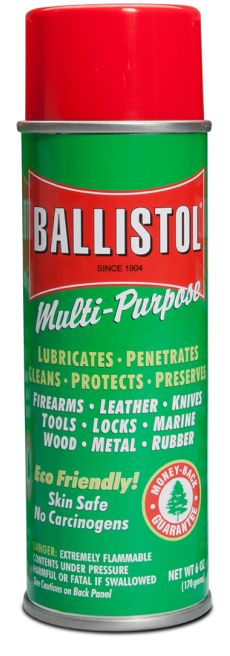
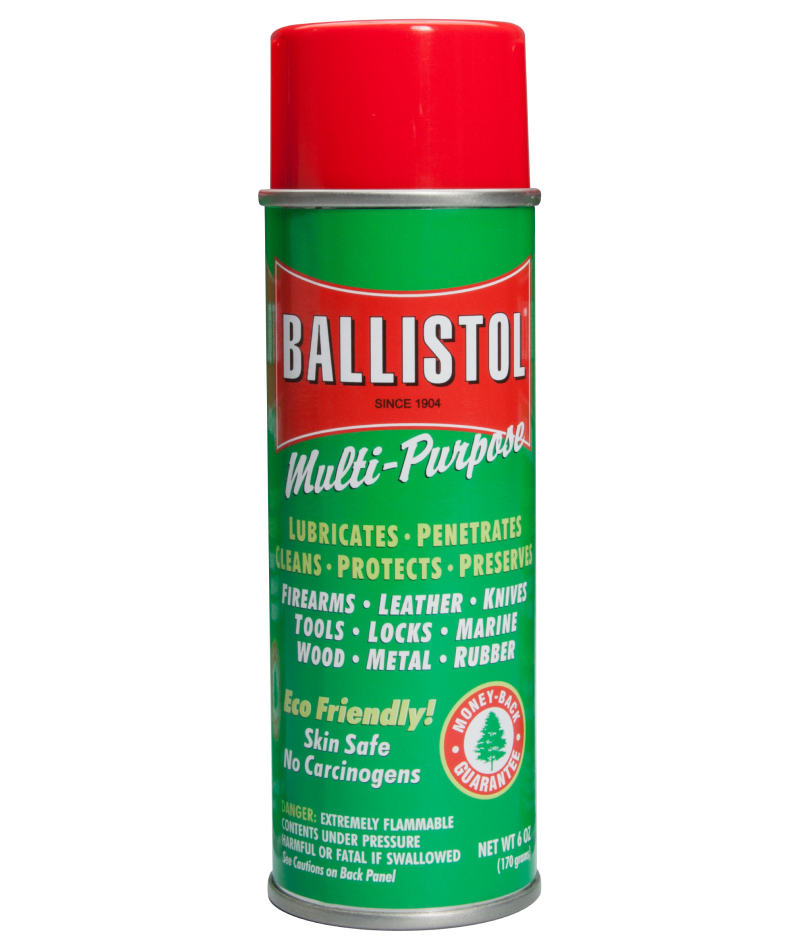
From freeing a stuck deadbolt to protecting padlocks left out in the rain, Ballistol is the oil that keeps every lock turning the way it should. It penetrates deep into the mechanical parts of a lock, cleans out contaminants, and shields metal from rust and corrosion. No sticky residue. No gumming up over time. Just one product that keeps your locks, keys, and door hardware working smoothly through years of heavy use and rough weather.

Shop Now
Close-up of a key being inserted into a lock on a wooden door.

Gets Where Other Oils Can't

Stiff locks jam. Dirty tumblers bind. Regardless of the situation, Ballistol creeps into the tightest spaces inside a lock cylinder, reaching pins, springs, and internal parts that most oils never touch. Its alkaline formula (pH 8 to 8.5) neutralizes the acidic residue left behind by hand sweat and moisture, which is exactly what causes corrosion inside high-traffic locks and door hardware over time. Apply a small amount directly into the keyway, work the key in and out a few times, and the oil spreads through the entire mechanism. You’ll see friction drops, smooth operation comes back, and a protective barrier forms on every metal surface.

Close-up of a door hinge on a white door

One Bottle for the Whole Door

Ballistol doesn't stop at the lock cylinder. Squeaky hinges? Silent in seconds. Keys that drag or stick? Cleaned and protected. Padlocks sitting in storage, deadbolt hardware on exterior doors, sliding door tracks - Ballistol handles all of it. This kind of versatility means a locksmith can maintain every piece of hardware on a door with one product instead of juggling three or four specialized treatments. One pass across every contact point, and the whole job is covered.

Person wearing gloves opening a wooden door with a glass panel.

Safe for Your Locks, Safe for You

Ballistol is biodegradable, non-toxic, and skin-safe. You can service residential locks, commercial door hardware, or sensitive smart lock components without worrying about harsh chemicals in occupied buildings. It's a natural oil that fights rust and corrosion without leaving a strong fragrance behind. Once the volatile components evaporate, what remains is a practically odorless protectant. Whether you're rekeying a family's front door or restoring vintage hardware, you can work confidently knowing Ballistol is as safe as it is effective.

Always As Good As The Day You Bought It.

Most lubricants are subject to relatively fast aging and oxidation. They harden in time – a process called “resinification.” The oil begins to thicken and becomes sticky and gluey before finally turning into a hard, resinous substance. By contrast, Ballistol contains antioxidants, which make it much less susceptible to aging and resinification.

For example, in 1985, a bottle of Ballistol was found in an attic where it had been left for over 60 years. The oil had not hardened, and a chemical analysis revealed that it still had the same degree of purity as freshly produced Ballistol. Whether protecting metal, boat upholstery materials, or vinyl seating, Ballistol truly stands the test of time. If something needs long-term preservation, Ballistol is the right choice for the job.

Frequently Asked Questions

Can Ballistol be used inside all types of locks?

Absolutely. Ballistol works on pin tumbler locks, deadbolts, padlocks, mortise locks, and just about every other common lock type used across the United States. It penetrates deep into the cylinder to lubricate pins and springs without leaving behind sticky residue that attracts dust or contaminants. For locks with sensitive electronic components, apply with a precision applicator rather than spraying to avoid causing damage.

Will Ballistol gum up locks over time like other oils?

Not a chance. That's actually one of Ballistol's biggest advantages for locksmith use. Most conventional oils and lubricants are subject to resinification, where they thicken, turn gluey, and eventually harden inside the mechanism. That causes the exact damage they were supposed to prevent. Ballistol resists this process, so locks stay smooth and free of buildup even after repeated application over time.

Does Ballistol protect outdoor locks from moisture and rust?

You bet. Ballistol creates a barrier on metal surfaces that guards against moisture, rust, and corrosion. That makes it a solid choice for exterior door hardware, gate locks, and padlocks exposed to rain, humidity, and temperature swings. It even helps prevent locks from freezing in cold weather by displacing moisture trapped inside the mechanism.

How often should I lubricate locks with Ballistol?

It depends on use and environment. For high-traffic commercial locks or hardware exposed to the elements, a routine application every few months keeps things operating the way they should. For interior residential locks, once or twice a year is typically plenty. Because Ballistol doesn't resinify or leave buildup, you can stick to a regular schedule without worrying about overdoing it. When a key starts feeling stiff or sluggish, it's time.

Can I use Ballistol on door hinges, keys, and other hardware too?

Yes, and that's one of Ballistol's best features for locksmiths. While it lubricates the lock itself, it also protects hinges, strike plates, and other metal door hardware from corrosion and wear. Even keys benefit from a light wipe to prevent oxidation during storage. One product covers the entire door assembly, which saves time and simplifies every locksmith's toolkit.

OTHER UNIQUE FEATURES & USES

The most astounding feature of Ballistol is perhaps its universality. There are other protectants/lubricants in the market, but none have the same wide range of applications, in combination with other unique capabilities, as compared to Ballistol.

Ballistol can be used to clean, to preserve, to protect, to prevent corrosion, and maintain not only objects made out of metal but also wood, hard plastics, and even smooth leather. WARNING: Do not use on suede.

While most other brands are pH-neutral, i.e. have a pH around 7, Ballistol has a pH between 8 and 8.5. This is why Ballistol is capable of neutralizing mild acids and human hand sweat, which is of a slightly acidic nature.

Ballistol does not resinify. Most other lubricants are subject to relatively fast aging and oxidation. They harden in time – a process which is called “resinification.” The oil begins to thicken, becomes sticky, gluey, and finally turns into a hard resinous substance. By contrast, Ballistol contains a combination of anti-oxidants and medical oils, which together make it much less susceptible to the process of aging than other lubricants.

SOME OF BALLISTOL’S 1,001 USES:

  • Lubricates hinges, door locks, padlocks, scissors, pocket knives, bicycle chains, and more
  • Cleans silver and brass
  • Lubricates moving mechanical parts of typewriters, video cameras, printing calculators, etc.
  • Rejuvenates wood surfaces, especially antique furniture
  • Cleans and impregnates leather boots, saddles, jackets, motorcycle clothing, saddle bags, hoisters, slings, and belts
  • Keeps battery terminals free of corrosion and neutralizes spilled acid
  • Removes tar and insect stains from motor vehicles
  • Inhibits corrosion from salt and salt water
  • Winterizes motors, neutralizes acidic residues from fuel combustion in engines
  • Helps extract water from fuel tanks
  • Shines gel coat on fiberglass boats
  • Protects electrical contacts on boats and trailers
  • Removes traces of lead, copper, and tombac from bores and chambers of firearms
  • Neutralizes acidic residues in black powder guns
  • Removes ball-point pen ink from smooth surfaces
  • Frees calcium-locked faucets